Best MLM Software for Your Business in 2025
Multi-level marketing (MLM) is a powerful business model that leverages network marketing to drive growth and profitability. With the rise of digital transformation, MLM software has become a critical tool for businesses to manage their networks, track sales, and distribute commissions efficiently. The global MLM software industry is expanding rapidly, driven by the increasing adoption of MLM strategies across various sectors.
Multi-level marketing (MLM) software is essential for businesses that rely on network marketing strategies to grow their customer base and revenue. Different types of MLM software cater to various compensation plans and business models. Below is a detailed explanation of Best MLM software:

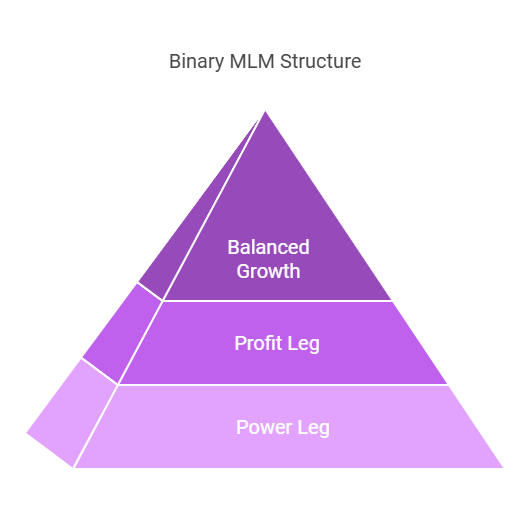
1. Binary MLM Compensation Plans
- Structure: Operates on a two-leg system (left leg and right leg).
- Key Features:
- Members recruit new members, forming a tree-like structure.
- Power Leg: Focuses on recruiting new members.
- Profit Leg: Focuses on earning commissions from downline members.
- Advantages:
- Easy to manage and scale.
- Encourages balanced growth in both legs.
- Best For: Businesses looking for a simple and widely accepted MLM structure.
- Structure: Limits the number of members in each level (e.g., 3x3 or 4x4 matrix).
- Key Features:
- Members are placed in a fixed matrix structure.
- Commissions are earned based on the depth and width of the matrix.
- Advantages:
- Predictable and structured growth.
- Encourages teamwork among members.
- Best For: Businesses that want to control the width and depth of their network.
3. Uni-Level MLM Compensation Plans
- Structure: Allows unlimited direct referrals (no depth or width restrictions).
- Key Features:
- Members earn commissions from their direct downline.
- No restrictions on the number of levels or members.
- Advantages:
- Simple and easy to understand.
- Suitable for businesses with a large customer base.
- Best For: Companies that want to reward direct referrals without complex structures.
4. Board MLM Compensation Plans
- Structure: Operates on a revolving matrix or board system.
- Key Features:
- Members are placed on a board, and when the board fills, it splits to form a new board.
- Commissions are earned based on board completion.
- Advantages:
- Encourages rapid growth and member engagement.
- Provides recurring income opportunities.
- Best For: Businesses that want to create a sense of urgency and teamwork.
5. Single Leg MLM Software
- Structure: Operates on a single-line or monoline structure.
- Key Features:
- Members are placed in a single downline chain.
- Spillover Concept: New members are added to the downline of existing members, even if they are not directly recruited.
- Advantages:
- Easy to manage and understand.
- Encourages teamwork and shared success.
- Best For: Startups and businesses looking for a simple and scalable MLM model.
6. Re-Purchase MLM Software
- Structure: Focuses on product or service repurchases.
- Key Features:
- Members earn commissions based on repeat purchases by their downline.
- Encourages loyalty and consistent sales.
- Advantages:
- Builds long-term customer relationships.
- Generates recurring revenue.
- Best For: Product-based businesses that rely on repeat sales.
7. Helping Plan MLM Software
- Structure: Focuses on financial contributions or donations.
- Key Features:
- Members contribute funds, which are redistributed as rewards or bonuses.
- Also known as Cash Plan, Order Plan, or Donation Plan.
- Advantages:
- Encourages community support and collaboration.
- Provides quick returns for members.
- Best For: Small and medium-sized businesses looking for a collaborative MLM model.
8. Investment Plan MLM Software
- Structure: Focuses on investments and returns.
- Key Features:
- Members invest money and earn daily or weekly returns.
- Commissions are based on the investment amount and percentage returns.
- Advantages:
- Attracts investors looking for high returns.
- Provides a steady income stream.
- Best For: Businesses targeting investors and financial enthusiasts.
9. Cryptocurrency Plan MLM Software
- Structure: Integrates cryptocurrency into the MLM model.
- Key Features:
- Members earn and transact using cryptocurrencies like Bitcoin, Litecoin, or Dash.
- Payments and commissions are processed in cryptocurrency.
- Advantages:
- Appeals to tech-savvy and crypto enthusiasts.
- Provides a decentralized and secure payment system.
- Best For: Businesses looking to leverage the growing popularity of cryptocurrencies.
Key Considerations When Choosing MLM Software
- Business Goals: Choose a plan that aligns with your business objectives.
- Scalability: Ensure the software can handle growth and increasing complexity.
- User-Friendly Interface: The software should be easy for members to use.
- Customization: Look for software that allows you to tailor the plan to your needs.
- Security: Ensure the software has robust security features to protect sensitive data.
- Support and Training: Choose a provider that offers reliable customer support and training resources.
Benefits of MLM Software for Businesses
- Automated Commission Calculations: Ensures accurate and timely payouts to distributors.
- Network Management: Simplifies the management of downlines and uplines.
- Real-Time Reporting: Provides actionable insights into sales, performance, and growth.
- E-Wallet Integration: Facilitates secure and instant payments.
- Mobile Accessibility: Allows distributors to manage their business on the go.
- Compliance: Helps businesses adhere to legal and regulatory requirements.
How MLM Software Helps Businesses Strategize
- Data-Driven Decisions: Real-time reports and analytics help businesses identify trends and make informed decisions.
- Performance Tracking: Monitor the performance of distributors and reward top performers.
- Network Growth: Simplify the process of recruiting and onboarding new members.
- Customer Retention: Use features like re-purchase plans to encourage repeat business.
- Global Reach: Expand your business internationally with multi-currency and multi-language support.
Free Demos and Customization
Many MLM software providers offer free demos and customizable plans to help businesses understand the software’s capabilities and tailor it to their needs. These demos allow businesses to:
- Explore the software’s features and functionality.
- Test different compensation plans.
- Evaluate the user interface and ease of use.
- Assess the software’s scalability and security.
Future of MLM Software
The MLM software industry is poised for significant growth, driven by:
- Technological Advancements: Integration of AI, blockchain, and mobile technologies.
- Increased Adoption: More businesses are recognizing the benefits of MLM strategies.
- Global Expansion: MLM software is enabling businesses to operate in multiple countries with ease.
- Cryptocurrency Integration: The rise of digital currencies is opening new opportunities for MLM businesses.
Conclusion
Each type of MLM software offers unique features and benefits, making it suitable for different business models and goals. Whether you’re focusing on direct sales, investments, or CryptoMLM software solution can help you grow your network and achieve success. By understanding these of MLM software, you can choose the one that best fits your business needs. MLM software is a game-changer for businesses looking to leverage network marketing for growth and profitability. Companies can streamline operations, enhance transparency, and achieve long-term success by choosing the right software and compensation plan. Whether you’re an established company or a startup, MLM software can help you design and implement strategies that meet your business goals and exceed your expectations.
Comments